
As sustainability becomes a cornerstone of modern construction, understanding future trends in concrete design is essential. With innovative practices emerging, the industry is poised to make significant strides toward eco-friendliness while delivering quality results. What insights can we gather to ensure we're ahead of the curve?
What You Will Learn
- Sustainable concrete practices significantly reduce carbon footprints and enhance construction quality.
- Low-carbon concrete utilizes alternative materials, minimizing traditional cement use and greenhouse gas emissions.
- Incorporating Life Cycle Assessments (LCA) allows for informed material choices that mitigate environmental impact.
- Adopting renewable energy sources and carbon capture technologies can help achieve carbon neutrality in concrete production.
- Engaging in community workshops fosters knowledge sharing and encourages sustainable practices within the concreting community.
Sustainable Concrete Trends: Key Focus Areas
The construction industry is rapidly evolving towards more sustainable concrete practices. This visual highlights the main benefits and approaches driving this shift, focusing on key aspects like low-carbon materials, resource efficiency, and advanced technologies. For more insights into local sustainable efforts, check out sustainable concrete practices in Albury Wodonga.
Why Sustainability Matters
Environmental Impact: Minimize greenhouse gas emissions.
Resource Efficiency: Reduce need for new resources via recycled materials.
Long-Term Cost Savings: Lower maintenance due to durable practices.
Key Trends in Concrete Design
- Low-Carbon Concrete: Less cement, alternative materials.
- Recyclable Materials: Using recycled aggregates.
- Smart Technologies: Sensors for functionality & longevity.
Achieving Carbon Neutrality
- Renewable Energy: Solar/wind powered production.
- Carbon Capture: Innovations reducing emissions.
- Lifecycle Assessments: Evaluating environmental impacts.
Benefits of Sustainable Innovations
- Cost Efficiency: Reduced waste, lower energy.
- Enhanced Durability: Longer-lasting structures.
- Positive Community Impact: Healthier environment.
- Regulatory Compliance: Streamlined project approvals.
Role of Life Cycle Assessment (LCA)
- Raw Material Extraction: Evaluate initial impact.
- Production Processes: Analyze manufacturing.
- Transportation Emissions: Assess logistical footprint.
- Usage & Maintenance: Consider long-term effects.
- Disposal or Recycling: End-of-life impact.
Understanding Future Trends in Sustainable Concrete Design
As we move forward, the construction industry is increasingly recognizing the importance of sustainability in concrete design. It’s not just about aesthetics or strength anymore; it’s about how our choices impact the environment. Here in Albury Wodonga, we see a growing interest in eco-friendly practices that not only benefit our community but also contribute to a healthier planet!
In our line of work at Concreters Albury Wodonga Insights, we understand that sustainable concrete practices can significantly reduce our carbon footprint and enhance the overall quality of construction. We’re committed to sharing knowledge and insights that help both professionals and DIY enthusiasts navigate these trends effectively.
The Importance of Sustainability in Concrete Construction
Why should we care about sustainability in concrete construction? Here are a few key reasons:
- Environmental Impact: Traditional concrete production contributes to greenhouse gas emissions, while sustainable methods aim to minimize this.
- Resource Efficiency: Using recycled materials and innovative technologies can reduce the need for new resources.
- Long-Term Cost Savings: Sustainable practices often result in lower maintenance costs over time, making them economically viable.
By prioritizing sustainability, we’re not just keeping up with trends; we’re paving the way for a future where our construction practices are responsible and conscientious. It’s about taking pride in our work and ensuring that we leave a better world for future generations!
Trends Shaping the Future of Concrete Design
The landscape of concrete design is evolving, thanks to innovative trends that promote sustainability. Some notable trends include:
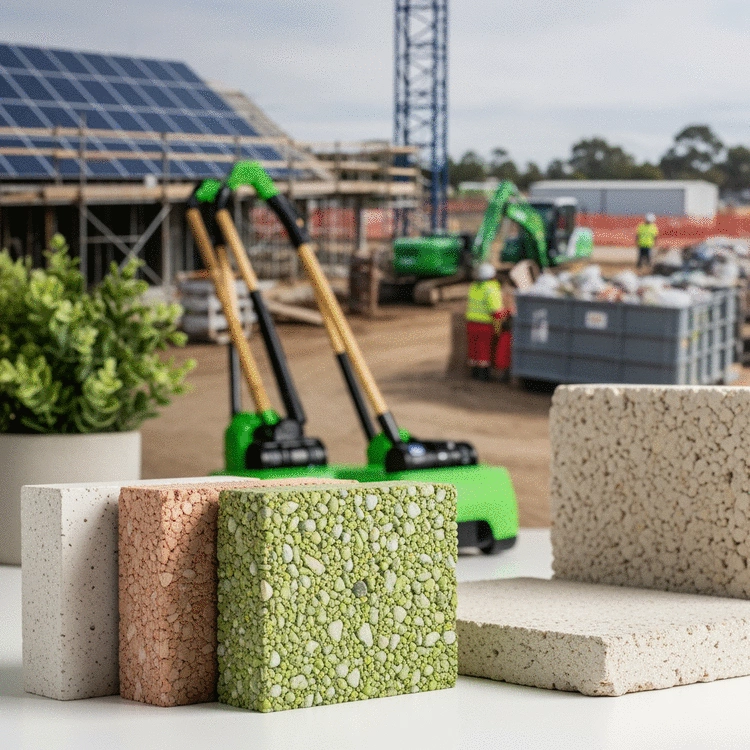
- Low-Carbon Concrete: This is made with less cement and incorporates alternative materials.
- Recyclable Materials: More projects are using recycled aggregates, reducing waste and environmental impact. For more on this, explore sustainable construction with recycled aggregates and cement.
- Smart Technologies: The integration of sensors into concrete can enhance its functionality and longevity.
By staying informed about these trends, we can better serve our clients and engage in practices that support sustainability. Have you noticed any of these trends in your recent projects?
Carbon Neutrality in Concrete Construction: Achieving Eco-Friendliness
Achieving carbon neutrality in concrete construction is a goal many of us are working towards. This involves implementing strategies like using low-carbon materials, optimizing energy efficiency, and integrating renewable energy sources. Here are a few approaches to consider:
- Utilizing Renewable Energy: Powering production processes with solar or wind energy.
- Carbon Capture Technologies: Innovations that capture emissions during production.
- Lifecycle Assessments: Evaluating environmental impacts throughout the life of concrete products.
Each of these strategies helps to not just improve our projects but also contribute to the larger goal of a sustainable future. By adopting these practices, we can make a significant difference in the Albury Wodonga region and beyond!
We Want to Hear From You!
What sustainable practices have you implemented in your concrete projects? Share your experiences and thoughts below:
Future Outlook for Sustainable Concrete Practices
The future of sustainable concrete practices looks brighter than ever! As we head towards 2025 and beyond, embracing new innovations in concrete technology will not only help us meet environmental goals but also enhance project quality. Here at Concreters Albury Wodonga Insights, we believe that integrating sustainable practices into our daily work is essential for a better construction future.
By adopting sustainable innovations, we can enjoy numerous benefits, such as reduced carbon emissions, improved durability, and cost savings in the long run. It’s an exciting time for our industry, as we have the opportunity to make a significant impact, starting right here in Albury Wodonga!
Benefits of Embracing Sustainable Innovations
- Cost Efficiency: Sustainable practices often lead to reduced waste and lower energy consumption, resulting in cost savings over time.
- Enhanced Durability: Eco-friendly materials can improve the longevity of concrete structures, ensuring they stand the test of time.
- Positive Community Impact: Sustainable practices contribute to a healthier environment, fostering community pride and support.
- Regulatory Compliance: Staying ahead of regulations by adopting sustainable methods can streamline project approvals and reduce delays.
As we embrace these innovations, we’ll not only elevate our own work but also set a standard for others in the industry. This collective effort can drive change and make a lasting difference!
Preparing for 2025 and Beyond: What Concreters Need to Know
As we gear up for 2025, it’s crucial for all of us in the concreting community to stay informed about upcoming trends and regulations. Have you considered how these changes may impact your projects? Here are some key points to keep in mind:
- Stay updated on advancements in sustainable materials and practices.
- Participate in local workshops and training sessions to improve your skills and knowledge.
- Engage with other professionals to share insights and experiences related to sustainable concreting.
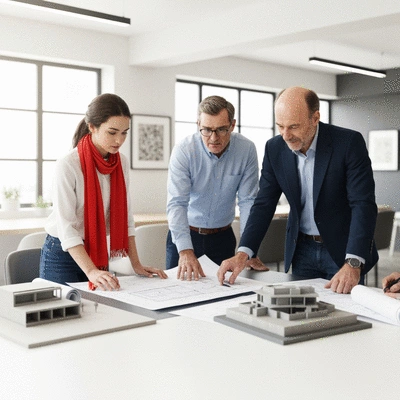
By preparing now, we will be well-equipped to meet the evolving demands of our industry and to support our community in making eco-friendly choices. For budgeting considerations in your upcoming projects, learn more about concrete project budgeting in Albury Wodonga.
The Role of Life Cycle Assessment (LCA) in Sustainable Design
Understanding the environmental impact of concrete is vital for making informed choices in our projects. The Life Cycle Assessment (LCA) is an excellent tool that helps us gauge the effects of concrete from its initial production to its end-of-life stage. It’s all about assessing the bigger picture!
Utilizing LCA can guide us in selecting materials that not only perform well but also minimize environmental harm. Let’s take a closer look!
Understanding the Environmental Impact of Concrete
The concrete industry has a significant carbon footprint, and being aware of this is the first step toward change. The LCA evaluates:
- Raw material extraction
- Production processes
- Transportation emissions
- Usage and maintenance
- Disposal or recycling
With this knowledge, we can identify areas for improvement and work toward reducing our environmental impact.
Using LCA to Guide Material Choices
Armed with LCA insights, we can make smarter material choices. For instance, opting for low-carbon concrete alternatives or incorporating recycled aggregates can significantly lessen our projects' ecological footprint. It’s all about making conscious decisions that lead to sustainable outcomes!
Incorporating LCA into our workflow not only benefits the environment but also positions us as leaders in sustainable concreting practices. Together, let's pave the way for a greener future in Albury Wodonga!
Frequently Asked Questions (FAQs)
What are the main benefits of sustainable concrete practices?
Sustainable concrete practices help minimize greenhouse gas emissions, improve resource efficiency by using recycled materials, and often lead to long-term cost savings due to lower maintenance needs and enhanced durability.
What is low-carbon concrete?
Low-carbon concrete is a type of concrete that uses less traditional cement and incorporates alternative materials, thereby reducing the carbon footprint associated with its production.
How does Life Cycle Assessment (LCA) contribute to sustainable concrete design?
LCA is a tool used to evaluate the environmental impacts of concrete products throughout their entire lifespan, from raw material extraction and production to usage, maintenance, and end-of-life disposal or recycling. This helps in making informed, eco-friendly material choices.
What strategies can help achieve carbon neutrality in concrete construction?
Strategies include utilizing renewable energy sources (like solar or wind power) for production, implementing carbon capture technologies to reduce emissions, and conducting thorough Lifecycle Assessments to evaluate and minimize environmental impacts.
Why is it important for concreters to stay informed about future trends?
Staying informed about future trends and regulations, such as advancements in sustainable materials and practices, allows concreters to meet evolving industry demands, comply with regulations, and contribute to a more sustainable construction future.
Recap of Key Points
Here is a quick recap of the important points discussed in the article:
- Environmental Impact: Sustainable concrete practices significantly reduce greenhouse gas emissions compared to traditional methods.
- Resource Efficiency: Utilizing recycled materials and innovative technologies helps conserve resources.
- Long-Term Cost Savings: Sustainable choices often lead to lower maintenance costs and improved economic viability.
- Innovative Trends: Adoption of low-carbon concrete, recyclable materials, and smart technologies is transforming concrete design.
- Carbon Neutrality: Strategies such as using renewable energy and carbon capture technologies are essential for achieving eco-friendliness.
- Life Cycle Assessment (LCA): Implementing LCA helps in making informed choices that minimize environmental harm.