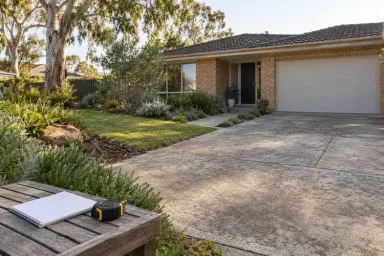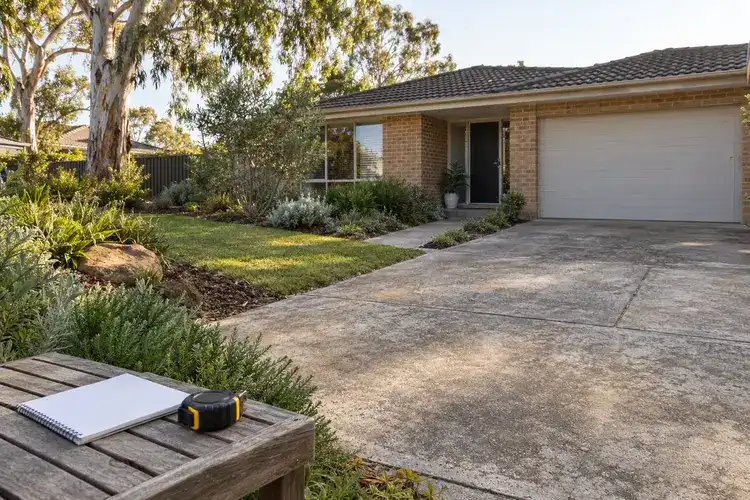

A driveway project access plan describes how the household will manage vehicles, arrivals and deliveries while the usual route is unavailable. Prepare it with the contractor before work begins. The plan should distinguish the arrangements already confirmed from the questions that still need an answer.
The finished driveway may be the focus of the project, but the household still has ordinary commitments during the work. A vehicle inside the garage, a booked delivery and a visitor arriving at the front door can each create a different access question. Put those details into the early conversation rather than leaving them for the first construction morning.
If you are comparing businesses advertising 'we buy motorcycles' for an unused bike stored behind the work area, confirm the collection requirements directly. Tell the contractor whether collection is tentative or booked and how it may affect the sequence. A possible sale should not be treated as a completed access arrangement.
Describe daily use before discussing temporary arrangements
Make a short list of the vehicles and everyday movements that normally rely on the driveway. Include a garage or side area reached through it, as well as regular arrivals that may be affected. Keep the description relevant to the project rather than recording a detailed household travel history.
Explain what is expected to stay the same after the work and what you are considering changing. A surface replacement, a different parking arrangement and an altered entrance are separate requests. The contractor or appropriate designer needs to understand the intended use before assessing the proposal.
The Pro-Tech driveway planning checklist includes everyday vehicles, deliveries and access among the information to discuss. That is useful background for preparing a brief. Its service details relate to its own location, so keep specifications and local requirements subject to the review for your property.
Write the practical question beside each item. A daily car may need an alternative parking arrangement, while an unused motorcycle may need collection before the route closes. A visitor's question may concern the agreed pedestrian entrance. Those details make the access discussion more precise than 'we still need to get in'.
Record what is stored beyond the work area
Review the garage and any area whose vehicle access depends on the driveway. Identify items that may need to leave during the project. A stored motorcycle can be overlooked because it is not part of the daily routine, yet its location can matter to a later collection.
Ask the household about shared belongings before scheduling removal. Keep a proposed sale, a temporary move and a retained item in separate states on the list. The contractor should not have to guess which vehicle is expected to remain or whether its owner has agreed to an arrangement.
Do not move a vehicle or heavy item simply because it appears on a preparation checklist. Discuss the requirements with the relevant provider and make an appropriate arrangement. The purpose of the access plan is to identify dependencies, not to replace specialist handling or collection advice.
If a stored item will remain throughout the work, say so. Ask how that affects access requirements and the project sequence. An honest limitation gives the contractor something to assess, while an assumed empty garage can leave the proposal based on conditions that will not exist.
Confirm collection separately from the concrete work
Ask the collection provider what they need to know about the item, its location and the approach. Provide relevant current photographs if requested, using the provider's agreed channel. Keep private paperwork and unrelated household information out of the images.
Pass confirmed requirements to the contractor where they affect the working area. A small item being collected does not establish the size or access needs of the collection vehicle. Let the providers review the actual arrangement rather than assuming it will fit an ordinary parking space.
If collection is intended to happen first, confirm the sequence with both parties. Mark any unresolved date as pending. Avoid making the concrete start depend on a collection that has not been accepted by the provider responsible for it.
If the arrangement changes, advise the contractor before work begins or through the agreed update process. Ask what needs review. A delayed pickup should lead to a revised plan, not an improvised attempt to cross an area that is unavailable.
Agree how the household will reach the property
Describe the entrances normally used and ask the contractor how access will be managed during each relevant stage. Do not create a temporary route through the work area yourself. The agreed arrangement should account for the actual site and the people responsible for the work.
The Burton's Concrete preparation guide raises temporary access restrictions and deliveries among the questions to ask before construction. Use those topics to prepare the conversation, while obtaining instructions for the specific project rather than copying a generic timetable.
Tell the contractor about a household access need that the ordinary arrangement may not address. Share only the detail required to resolve the practical question. If a suitable arrangement has not been confirmed, keep that issue open before treating the start date as settled.
Clarify who should receive the instructions within the household. One person hearing a conversation does not ensure that everyone arriving later understands the arrangement. Keep a concise current note, with private access details shared only through appropriate channels.
Plan deliveries and service visits
List visits already booked during the likely work period. A parcel, bulky household delivery and a separate trade appointment may need different coordination. Ask the contractor which activities could conflict with the project and confirm any revised arrangement with the provider involved.
Do not redirect a delivery into another person's property or a shared area on assumption. Obtain the relevant agreement and make sure the delivery provider understands the confirmed arrangement. An informal idea written into your own notes is not evidence that another party has accepted it.
Where an appointment can be postponed, discuss that option before the day. Where it cannot, explain the requirement early. The useful outcome is a clear decision about the visit, not a vague expectation that somebody will find a way around the work when they arrive.
Keep visitors informed of the agreed approach when appropriate. They need current practical instructions, not the full project file. If the access plan changes, update the people whose arrangements depend on it.
Keep design questions separate from temporary access
A temporary household plan does not settle how the finished driveway should be designed. Describe any existing concern about turning, transitions or water movement to the contractor. Ask how it will be assessed and who is responsible for any additional design review.
Do not select thickness, reinforcement, drainage details or a changed entrance from a general article. The appropriate professionals need to consider the property, intended use and applicable requirements. Keep any public or shared interface question visible until it has been addressed by the responsible parties.
Our guide to choosing a concreter in Albury Wodonga provides broader reading for a provider discussion. For this project, ask how the proposed scope responds to the specific concerns you have described.
A simple sketch can help explain the existing arrangement and requested change. Label it as an enquiry sketch where it has not been assessed. It should support the conversation rather than being presented as an approved construction or access plan.
Ask how changes will be communicated
Agree on the project contact and the way updates will be provided. Ask how a weather-related change, a revised collection or another delay would affect the household arrangements. Keep the confirmed instruction distinct from a date that was only an early estimate.
Record the dependencies that matter. Temporary parking, storage and service appointments may need revisiting if the sequence changes. The contractor can explain the working implications, while the household remains responsible for confirming its own arrangements with the other providers involved.
Our article on concrete project budgeting offers wider scope-planning context. Keep the access requirements and assumptions in the written proposal so changes can be discussed against the same starting point. Do not treat a generic price or duration as a project-specific commitment.
Maintain one current version of the household note. If an earlier instruction is replaced, make that clear to the people using it. Several messages with different dates can be less helpful than a short updated record everyone understands.
A fictional driveway access plan
Imagine a household arranging driveway replacement while an unused motorcycle remains in the garage. Their daily car normally parks outside the garage, and a furniture delivery is expected during the proposed working period. At first, the plan contains only the contractor's provisional start date.
They add the three separate questions. The car needs an agreed alternative parking arrangement. The motorcycle collection needs direct confirmation before it can be placed in the sequence. The furniture delivery is discussed with the supplier and contractor rather than assumed to be compatible with the work.
The household also asks how people will reach the front door and who will send updates if the schedule changes. These questions are resolved with the relevant parties before the note is treated as current. If a pickup date changes, the dependency is visible and can be reviewed.
This fictional example is not a customer job, a technical layout or a promise about availability. It illustrates how a few ordinary household arrangements can be made clearer before driveway work begins.
Obtain return-to-use instructions at handover
Ask for instructions covering the actual work and the uses you intend to resume. Pedestrian access, returning belongings and vehicle use may need separate clarification. Follow the contractor's project-specific guidance rather than deciding that a surface is ready because it appears dry or finished.
Our article on concrete driveway care provides further reading for the longer term. Keep the instructions for the installed surface and any later maintenance questions together, and use the appropriate provider to resolve uncertainty.
A driveway project access plan works when the vehicles, visits and household movements are visible alongside the construction sequence. Confirm collections directly, agree temporary arrangements with the responsible people and keep updates understandable. The finished surface matters, but a considered plan also explains how the household will manage the days around the work.