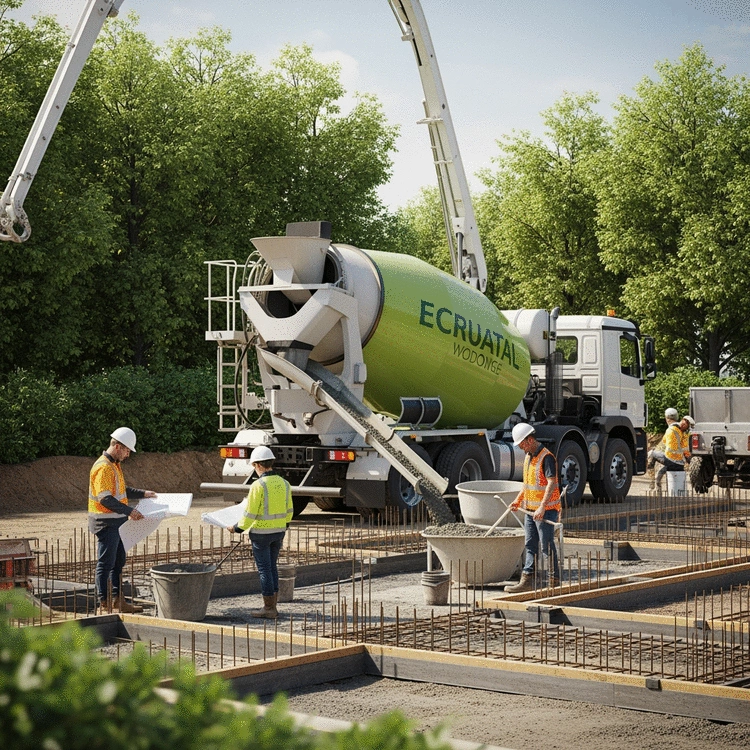

Have you ever thought about the long-term impacts of your construction choices? Sustainable concrete practices are not just a trend; they are essential for building a healthier future. Let's explore how small changes can lead to significant environmental benefits in the world of concreting.
What You Will Learn
- The importance of sustainability in concrete projects and its impact on environmental health.
- How utilizing recycled materials can significantly reduce waste and costs in construction.
- The role of local environmental factors in shaping sustainable concreting practices.
- Innovative methods to evaluate and mitigate the environmental impact of concrete production.
- The significance of community engagement in promoting sustainable practices and regulatory compliance.
- Key eco-friendly technologies and local expertise that enhance the sustainability of concrete projects.
Sustainable Concrete Practices in Albury Wodonga: Key Areas and Benefits
This visual highlights the core aspects and advantages of adopting sustainable concrete methods, ensuring both environmental responsibility and project durability.
Why Sustainability Matters
- ✓Reduces waste (recycled materials)
- ✓Minimizes environmental impact
- ✓Enhances community health
- ✓Offers economic advantages
Key Sustainable Practices
- ✓Utilize recycled concrete materials
- ✓Adopt low VOC products
- ✓Incorporate low carbon concrete
- ✓Engage with local experts
Environmental Impact Reduction
- ✓Utilize alternative raw materials
- ✓Incorporate energy-efficient processes
- ✓Adopt innovative waste management
- ✓Reduce carbon emissions
Community & Compliance
- ✓Promote community engagement
- ✓Comply with local regulations
- ✓Avoid potential fines & legal issues
- ✓Explore green certifications
Understanding Sustainable Concrete Practices in Albury Wodonga
As a concreting expert in Albury Wodonga, I often emphasize the importance of sustainable concrete practices in our projects. Sustainability matters not just for the environment, but also for the longevity and efficiency of our constructions. By embracing eco-friendly methods, we can contribute to a healthier planet while ensuring the durability of our infrastructure. For more insights on selecting the right professionals, consider choosing a concreter in Albury Wodonga who prioritizes sustainable approaches.
Have you ever considered how concrete production impacts our local landscape? It's essential to recognize that the choices we make in our concreting projects can lead to significant changes in environmental health. Let's dive into why sustainability is a cornerstone of our work.
Why Sustainability Matters in Concrete Projects
In our rapidly changing world, sustainable practices are becoming a necessity rather than an option. Utilizing sustainable concrete practices helps to mitigate environmental damage and reduces carbon footprints. Here are some compelling reasons why sustainability matters in our concrete projects:
- Reduces waste through the use of recycled materials
- Minimizes environmental impact during production
- Enhances community health by improving air quality
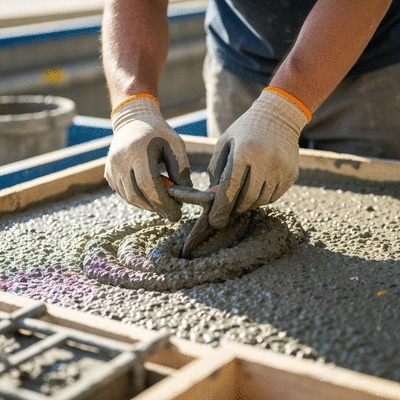
These practices not only benefit the environment but also offer economic advantages in the long run. When we opt for sustainable solutions, we can save resources and reduce costs, making our projects more viable.
The Role of Local Environment in Concrete Sustainability
The local environment in Albury Wodonga plays a crucial role in how we approach sustainable concreting. Factors such as climate, soil types, and available materials influence our decision-making process. For instance, using locally sourced materials reduces transportation emissions and supports our community's economy.
Additionally, understanding the unique environmental challenges we face allows us to tailor our concrete mixes and methods. This localized approach not only enhances sustainability but also results in better performance of our concrete structures. You can learn more about sustainable construction with recycled aggregates and cement to further reduce your environmental footprint.
Evaluating the Environmental Impact of Concrete Production
It's vital to evaluate the environmental impact of concrete production. Concrete is one of the most widely used construction materials, and its production contributes to significant carbon emissions. To minimize these impacts, we can implement practices such as:
- Utilizing alternative raw materials to reduce cement usage
- Incorporating energy-efficient processes in production
- Adopting innovative technologies for waste management
By recognizing and addressing these impacts, we can create a more sustainable future for our community. As I work on projects here in Albury Wodonga, I strive to make eco-conscious decisions that positively influence our environment.
Pro Tip
Did you know that incorporating recycled materials into your concrete mix can significantly enhance sustainability? Not only does this practice reduce waste, but it can also add unique visual appeal to your projects. For example, using crushed glass or recycled aggregates can create distinctive textures and colors in your concrete, making your work stand out while benefiting the environment.
Summarizing Key Sustainable Practices for Concrete Projects
As we wrap up our discussion on sustainable concrete practices, it’s crucial to highlight the eco-friendly technologies and local expertise available in Albury Wodonga. By leveraging these resources, you can ensure that your concrete projects are not only effective but also contribute positively to the environment. Sustainable practices are at the forefront of modern construction, and the community’s commitment to these values is stronger than ever!
Here’s a quick recap of some key sustainable practices we've explored:
- Utilization of recycled concrete materials
- Adoption of low VOC products to minimize air pollution
- Incorporation of low carbon concrete to reduce greenhouse gas emissions
- Engagement with local experts who understand the unique needs of our region
Importance of Community Engagement and Regulatory Compliance
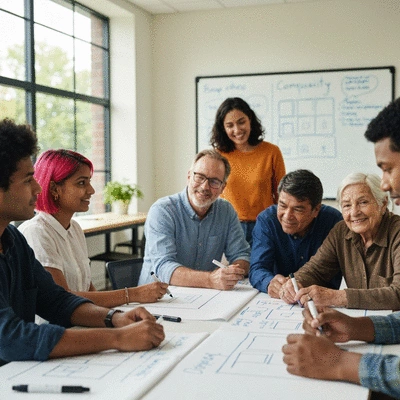
Community engagement plays a vital role in promoting sustainable concrete practices. When we work together with local businesses and organizations, we can share knowledge and resources that enhance our collective efforts towards sustainability. Have you ever participated in a community clean-up or sustainability workshop? These initiatives not only educate but also motivate us to adopt better practices in our daily lives.
Moreover, understanding and complying with local regulations ensures that our construction projects align with environmental standards. This compliance not only benefits the environment but also builds trust within the community. Here's why staying informed about regulations is essential:
- It helps in avoiding potential fines and legal issues
- Ensures that your projects are safe and environmentally friendly
- Contributes to the overall sustainability goals of Albury Wodonga
Taking Action Towards Sustainable Concrete Solutions
Contact Local Experts for Your Concrete Needs
Are you ready to embark on your sustainable concrete project? I encourage you to reach out to local experts like those at Concreters Albury Wodonga Insights. With my background in sustainable concreting practices, I can help guide you through the process and ensure you make choices that benefit both your project and the environment. Understanding concreting costs in Albury Wodonga can also help you budget for sustainable options.
Resources for Further Learning on Sustainable Practices
If you’re looking to deepen your understanding of sustainable concrete practices, there are numerous resources available. Consider checking out local workshops, online courses, or even community events focused on sustainability in construction. Engaging with these resources can provide invaluable insights and inspire you to implement eco-friendly solutions in your projects.
Exploring Green Certifications for Sustainable Construction
Lastly, exploring green certifications can enhance the credibility of your projects and contribute to a more sustainable future. Certifications like Green Star or LEED recognize building practices that are environmentally responsible and resource-efficient. Have you thought about how these certifications could elevate your project? Pursuing these credentials not only showcases your commitment to sustainability but also attracts clients who value eco-friendly construction!
Frequently Asked Questions about Sustainable Concrete Practices
Recap of Key Points
Here is a quick recap of the important points discussed in the article:
- Utilize recycled concrete materials to reduce waste.
- Adopt low VOC products to minimize air pollution.
- Incorporate low carbon concrete to lower greenhouse gas emissions.
- Engage with local experts to ensure sustainable practices tailored to the region.
- Evaluate the environmental impact of concrete production to implement eco-friendly solutions.
- Stay informed about local regulations to ensure compliance and promote community trust.