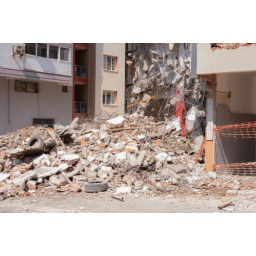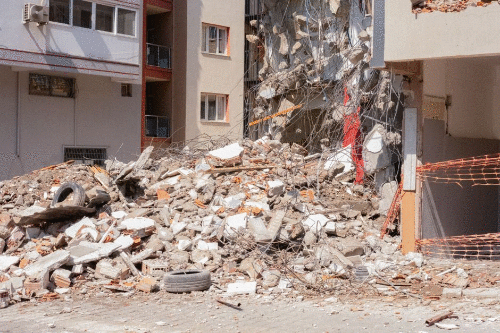

Concrete is one of the biggest material streams left after house demolition in Melbourne. Slabs, driveways, paths, footings, crossovers, garage floors, and broken masonry need to be assessed, separated, loaded, crushed, recycled, or disposed of safely. What happens next affects site cost, drainage, soil preparation, and the quality of the next concrete pour.
Concrete Starts With A Site Assessment
A demolition contractor should identify every concrete element before machinery arrives. A house block may include a main slab, strip footings, verandah pads, driveway panels, shed slabs, pool surrounds, garden edging, retaining-wall footings, and old paths hidden under soil or lawn.
For concreting readers, the key issue is not just removal. It is the condition left behind. Broken slab edges, buried rubble, loose fill, unmarked service trenches, and compacted waste can affect the base for a future driveway, patio, garage, or house slab.
A good assessment also separates structural concrete from decorative or contaminated material. Painted concrete, tile adhesive, waterproofing, old vinyl residue, and asbestos risk areas may need different handling from clean slab concrete.
Clean Concrete Can Often Be Recycled
Clean concrete is valuable when it is separated early. It can be crushed, screened, and reused as road base, drainage aggregate, hardstand material, or construction fill where it meets the receiving site's requirements.
EPA Victoria's 2025 demolition guide keeps the focus on preventing pollution, separating waste, and stopping material from escaping building sites. Clean separation supports those goals because concrete contaminated with general rubbish becomes harder to recover.
Recycling also depends on load quality. Concrete mixed with timber, plastic, plasterboard, soil, insulation, green waste, or asbestos cannot be treated like a clean load. Site crews should keep a dedicated concrete zone and avoid using it as a general stockpile.
Reinforcement And Mixed Materials Need Sorting
Most house slabs contain steel mesh, reo bars, dowels, or tie wire. That steel is usually separated during crushing or pre-sorted on site if large sections are exposed. Steel recovery works best when the concrete is not mixed with household demolition waste.
Tiles, brick, render, stone, and mortar can sometimes travel in masonry loads, but the receiving facility decides what it accepts. The safest approach is to ask before loading. One rejected truck can delay the demolition and add avoidable transport costs.
Concrete from older homes can also contain surprises. Old pipes, waterproof membranes, chemical residues, adhesives, and buried building rubble may appear during slab breaking. Those discoveries should be photographed and managed before the next stage begins.
● Separate clean concrete from timber, plasterboard, insulation, soil, and green waste.
● Keep suspected asbestos, adhesive residue, or contaminated material out of concrete recycling loads.
● Record where old footings, pits, and service trenches were found.
● Confirm whether the next concrete contractor needs all footings removed or only cut below level.
Concrete Removal Affects The Next Pour
A future slab or driveway is only as good as the base below it. If demolition leaves loose rubble under fill, the new concrete can crack, settle, or drain poorly. That is why removal depth and compaction standards need to be agreed upon before demolition starts.
For a new driveway, the condition of the crossover, kerb, and street edge also matters. Heavy demolition trucks can damage weak concrete edges. Protecting access points can save repair work before the final driveway is poured.
If the old slab is removed, the builder or concreter may need proof of clean excavation, imported fill quality, compaction, and drainage preparation. A tidy demolition handover helps the concreter price and schedule the next pour with fewer unknowns.
Dust, Slurry, And Run-Off Need Controls
Concrete breaking creates dust and fine sediment. Cutting can produce slurry. Rain can move loose cement dust, rubble, and sediment toward stormwater pits. EPA Victoria fined builders in 2026 after inspections found hazards such as concrete waste, contaminated wastewater, dust, and litter on residential building sites.
Controls are practical. Wet down dusty work without flooding the site. Keep rubble away from drains. Sweep hardstands. Use sediment barriers where water can leave the block. Cover light waste and collect loose packaging before it spreads.
These controls protect neighbours as well as the environment. Concrete dust on cars, footpaths, gardens, and adjoining driveways creates complaints that are easy to avoid with daily housekeeping.
What Homeowners Should Ask Before Demolition
Ask whether the demolition quote includes slab removal, driveway removal, footing removal, and concrete disposal. Some quotes remove the house but leave parts of the slab or external concrete unless the scope says otherwise.
Ask where the concrete will go after removal. The answer should explain whether it will be recycled, crushed, sent to an approved facility, or treated as mixed waste. Ask for disposal or recycling records if the project needs documentation.
Ask what surface condition will be left behind. If a concreter is coming next, they need a level, clean, accessible base with known service locations and no hidden rubble pockets.
Planning Notes For This Audience
For concreting-focused readers, the demolition handover should be treated as the first step in the next concrete project. A clean site is not enough if the base is loose, wet, uneven, or full of buried rubble.
Ask the demolition contractor to identify what concrete was removed and what remains below ground. Old strip footings, garden edging, shed slabs, and driveway sections can interfere with excavation, boxing, drainage, and reinforcement placement.
If recycled crushed concrete will be used later, confirm the specification with the concreter or engineer before ordering material. Recycled aggregate can be useful, but it still needs the right grading, compaction, and drainage performance for the job.
Homeowners should also protect the new concrete budget by keeping trucks on stable access paths. Damaged crossovers, churned soil, and uncontrolled spoil piles can create extra preparation work before the next pour.
Records That Should Stay With The Project
A demolition project should leave a paper trail that helps the next trade, owner, adviser, or property manager understand what happened on site. Good records reduce arguments and make later decisions easier.
Keep permits, contractor details, asbestos reports, pest reports where relevant, service disconnection evidence, disposal receipts, recycling records, photos, and handover notes in one folder. Name each file clearly so it can be found months later.
The best photos show conditions before work, during major changes, and after clearance. Capture boundaries, retained trees, driveways, crossovers, slabs, service caps, drainage points, neighbouring structures, and any unexpected discoveries.
If the property will be sold, leased, rebuilt, or used for finance discussions, these records can support due diligence. They also help the next contractor price the job with fewer assumptions.
Budget And Timing Checks Before Approval
Before approving the work, compare the demolition quote against the full project outcome. A low removal price can still cost more later if it excludes permits, slabs, asbestos, pest treatment, service caps, concrete removal, traffic control, or final clean-up.
Timing should be checked the same way. The right start date depends on service disconnections, inspections, neighbour notices, bin availability, access protection, weather, and the next contractor's programme.
Add a contingency for discoveries inside walls, slabs, roofs, gardens, sheds, and buried services. Older Melbourne properties often contain undocumented changes, and those discoveries are cheaper to manage when the team has already allowed time and budget.
The final approval should name what success looks like at handover. That may be a cleared block, a retained driveway, capped services, recyclable material records, a safe pest status, asbestos clearance, or a foundation-ready surface.
If one of those outcomes is not written into the scope, assume it may not be included. Clear wording is cheaper than renegotiating after machinery, bins, inspectors, or installers are already booked.
Confirm the scope in writing before deposits, notices, or delivery dates are locked.
Share the written scope with every adviser and contractor who will rely on the cleared site.
Quick Pre-Start Checklist
Before the first contractor arrives, turn the project into a short checklist with a named owner for each task. The checklist should be reviewed at induction and updated when the work changes stage.
Keep one site contact responsible for updates, because small discoveries can affect access, neighbours, waste handling, services, approvals, equipment choice, health controls, and final handover. Record every change before the next crew starts work.
● Confirm the exact demolition scope, exclusions, and required end condition.
● Check permits, asbestos risk, service isolation, access limits, and neighbour impacts.
● Mark retained trees, services, drains, fences, structures, and no-go zones.
● Separate waste streams early and keep disposal, recycling, and clearance records together.
● Photograph key site conditions before, during, and after the work.
Frequently Asked Questions
Can concrete from a demolished house be recycled?
Yes, clean concrete can often be crushed and reused as aggregate, road base, hardstand material, or construction fill where the receiving facility accepts it.
Should an old driveway be removed during demolition?
It depends on access, damage, design, and the next build. If the driveway will be replaced, removing it during demolition may be efficient, but the scope should say so.
What should be checked before pouring new concrete after demolition?
Check compaction, drainage, service locations, fill quality, rubble removal, levels, and whether old footings or pits remain below the surface.