
Have you ever wondered what factors truly impact the cost of concrete projects? Gaining an understanding of these elements can lead to better budgeting and smoother project execution.
What You Will Learn
- The cost range for different types of concrete: Plain, Reinforced, and Decorative.
- Key factors affecting concrete slab pricing, including thickness and site preparation.
- How the choice of concrete mix can influence overall project costs and performance.
- Labor cost variations based on project complexity, accessibility, and specific requirements.
- The importance of budgeting for potential hidden costs in your concrete project.
- Tips for managing subcontractor costs effectively to keep your project on budget.
Concrete Project Cost Breakdown
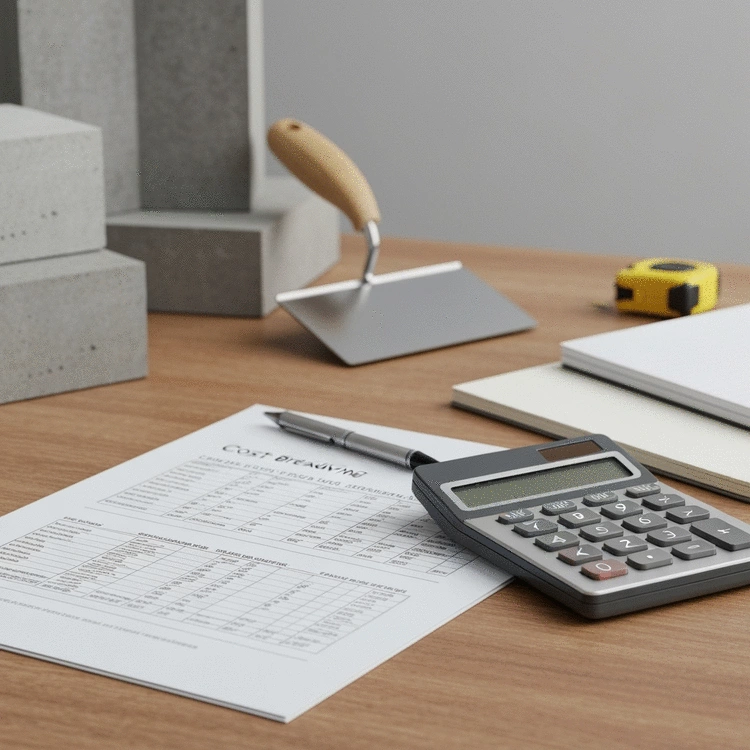
Understanding the costs involved in concrete projects is essential. Below is a breakdown of common concrete types, their typical costs, and the factors influencing labor expenses. For more detailed guidance on selecting the right professionals for your project, consider choosing a concreter in Albury Wodonga.
Concrete Types & Costs
- Plain Concrete: $100 - $150/m³
- Reinforced Concrete: $120 - $180/m³
- Decorative Concrete: $150 - $200+/m³
Labor Cost Factors
- Rate: $50 - $100 per hour
- Complexity: Intricate designs require more skilled labor.
- Accessibility: Difficult sites may incur additional charges.
- Requirements: Permits or certifications can add to costs.
Concrete Slab Pricing Factors
- Thickness: Standard 10-15cm affects volume.
- Reinforcement: Adds durability but increases cost.
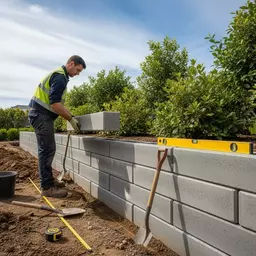
- Site Preparation: Excavation and leveling can be significant.
Key Budgeting Considerations
- Research Local Prices: Understand Albury Wodonga's market.
- Factor in All Costs: Materials, labor, permits, etc.
- Plan for Contingencies: Set aside funds for unexpected issues.
Understanding Concrete Project Costs in Albury Wodonga
When diving into a concrete project, understanding project costs is crucial. In Albury Wodonga, various factors come into play, from the type of concrete you choose to the complexity of the project. In this section, we’ll break down the costs associated with different concrete types and help you navigate these waters smoothly.
Breaking Down Concrete Costs: Types and Pricing
Concrete comes in various types, each with its own pricing structure. Here’s a quick breakdown:
- Plain Concrete: This is the most basic form and typically costs around $100 to $150 per cubic meter.
- Reinforced Concrete: Used for added strength, expect to pay between $120 to $180 per cubic meter.
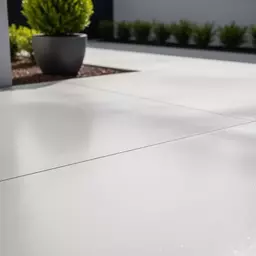
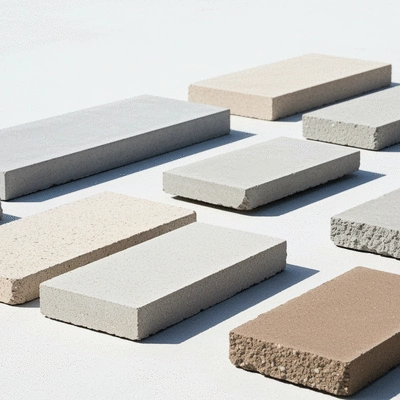
- Decorative Concrete: This option not only serves a functional purpose but also adds aesthetic appeal. Prices can range from $150 to over $200 per cubic meter depending on the finish.
Each type has its advantages and price points, making it essential to consider your project’s needs before making a decision. Have you thought about which type might be right for your upcoming project?
Concrete Slab Cost and Pricing Factors
Concrete slabs are a fundamental element in many constructions. The costs associated with them can vary based on several factors:
- Thickness: Standard slabs are usually 10 to 15 cm thick, affecting the overall volume needed.
- Reinforcement: Additional reinforcement can increase costs but is often necessary for durability.
- Site Preparation: Preparing the site, including excavation and leveling, can add significant costs.
Understanding these factors can help you budget more accurately. For instance, if your site needs extensive prep work, it might be good to plan for those extra expenses! For further details on the construction process, check out our concrete slab construction guide.
Concrete Mix Types and Their Impact on Costs
The type of concrete mix you select can greatly influence your overall project costs. Here are a few common mixes to consider:
- Standard Mix: Suitable for most general applications and typically the most affordable.
- High-Strength Mix: Ideal for load-bearing structures, but it comes at a premium price.
- Eco-Friendly Mix: Incorporating recycled materials, these mixes can save money and benefit the environment.
By choosing the right mix, you can optimize both costs and performance. Have you explored eco-friendly options? They can lead to long-term savings!
Labor Costs and Project Complexity
Labor costs can vary significantly depending on the specifics of your project. Understanding these costs will help you prepare better and avoid surprises.
Assessing Labor Pricing for Concrete Projects
In Albury Wodonga, labor rates for concreters typically range from $50 to $100 per hour, depending on experience and project complexity. It's essential to get multiple quotes to ensure you're getting a fair rate.
Factors Impacting Labor Costs
It's important to note that several factors can influence labor costs:
- Project Complexity: More intricate designs or structures usually require more skilled labor.
- Site Accessibility: If your site is difficult to access, additional costs may be incurred.
- Additional Requirements: If your project requires specific permits or certifications, this can drive up costs.
Being aware of these factors can help you make informed decisions during the planning phase. Additionally, considering sustainable concrete practices can also influence both costs and environmental impact.
Managing Subcontractor Costs in Concrete Projects
Hiring subcontractors can sometimes be necessary, especially for specialized tasks. Their fees can impact your budget, so it’s vital to include them in your planning from the outset.
This video discusses how to quickly estimate concrete project costs using a spreadsheet. While it does not specifically focus on Albury Wodonga, it provides useful insights into the cost breakdown for concrete projects.
Pro Tip
Did you know? Choosing the right concrete mix not only impacts your project's cost but also its longevity and performance. For instance, opting for a high-strength mix may seem more expensive initially, but it can save you money in the long run by reducing the need for repairs or replacements. Always consider the long-term benefits of your selections!
Frequently Asked Questions About Concrete Project Costs
Q: What are the typical cost ranges for different types of concrete?
A: Plain concrete generally costs $100 - $150/m³, reinforced concrete $120 - $180/m³, and decorative concrete $150 - $200+/m³.
Q: What factors influence the pricing of a concrete slab?
A: Key factors include thickness (standard 10-15cm), need for reinforcement, and the extent of site preparation required (excavation, leveling).
Q: How does the choice of concrete mix affect project costs?
A: Standard mixes are most affordable, while high-strength mixes are pricier but offer better performance for load-bearing structures. Eco-friendly mixes can provide long-term savings and environmental benefits.
Q: What are the typical labor costs for concrete projects in Albury Wodonga?
A: Labor rates typically range from $50 to $100 per hour, depending on the project's complexity, site accessibility, and any additional requirements like permits or certifications.
Q: Why is it important to budget for contingencies in a concrete project?
A: Budgeting for contingencies helps cover unexpected issues or additional costs that may arise during the project, preventing financial surprises and ensuring smoother execution.
Final Thoughts on Budgeting for Concrete Projects
In conclusion, budgeting effectively for your concrete projects is crucial for ensuring a successful outcome. Understanding the local costs, project requirements, and potential hidden fees can help you avoid financial surprises down the road. Here are the key considerations to keep in mind:
- Research Local Prices: Familiarize yourself with the pricing landscape in Albury Wodonga to get an accurate idea of what to expect.
- Factor in All Costs: From materials to labor and permits, make sure to include every possible expense in your budget.
- Plan for Contingencies: Always set aside a portion of your budget for unexpected costs that may arise during the project.
By prioritizing these elements, you can set yourself up for a smooth and rewarding concrete project experience. Remember, taking the time to create a detailed budget can save you both time and money in the long run!
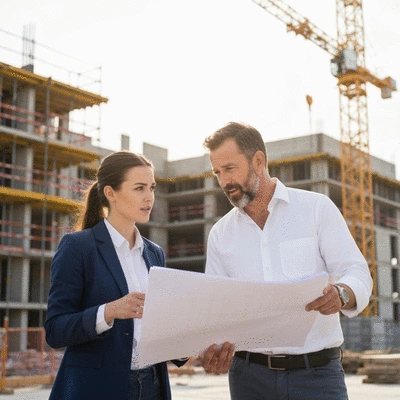
Take Action: Start Planning Your Concrete Project
Now that you have a better grasp of budgeting for your concrete project, it’s time to take action! Utilize the budgeting checklist we’ve discussed to ensure you cover all necessary factors. I encourage you to consult local suppliers for accurate quotes on materials and labor. Here’s how to get started:
- Review Your Checklist: Make sure you have all the elements listed before reaching out to suppliers.
- Contact Local Suppliers: Whether it's for concrete mixes or labor, don’t hesitate to ask for quotes from trusted professionals in Albury Wodonga.
- Ask Questions: If you're unsure about any aspect of your project, reach out! I’m here to help with any inquiries you might have.
Your concrete project is an important investment. By planning ahead and seeking expert advice, you’ll be well-equipped to make informed decisions. Let’s bring your vision to life—reach out today, and let’s chat about how I can assist you in making your project a success!
Recap of Key Points
Here is a quick recap of the important points discussed in the article:
- Understand Concrete Types: Familiarize yourself with the different concrete types such as plain, reinforced, and decorative, and their corresponding costs.
- Consider Slab Thickness and Reinforcement: The thickness of concrete slabs and the use of reinforcement can significantly affect overall costs.
- Select the Right Mix: Choosing between standard, high-strength, and eco-friendly mixes can optimize both costs and project performance.
- Assess Labor Costs: Labor rates can vary based on project complexity and accessibility; getting multiple quotes is crucial.
- Plan for Contingencies: Always include a buffer in your budget to account for unexpected expenses that may arise during the project.