
Did you know that the construction industry is responsible for a significant portion of global carbon emissions? As we strive for a more sustainable future, understanding innovative materials like recycled aggregates and low-carbon cement is vital.
What You Will Learn
- Recycled aggregates help conserve natural resources and reduce landfill waste by repurposing materials from demolition debris.
- Low-carbon cement production significantly lowers carbon emissions compared to traditional cement, utilizing industrial by-products.
- Sustainable construction practices lead to improved air and water quality while enhancing community resilience against climate change.
- Incorporating these materials in construction can result in economic savings through decreased material costs and potential tax incentives.
Impact of Sustainable Construction Materials
Here's a comparison of the key benefits offered by Recycled Aggregates and Low-Carbon Cement in sustainable construction:
Recycled Aggregates
- ✓ Resource Conservation: Reduces need for virgin materials.
- ✓ Waste Diversion: Keeps debris out of landfills.
- ✓ Energy Saving: Less energy for quarrying/transport.
- ✓ Cost Efficiency: Potential for reduced material costs.
Low-Carbon Cement
- ✓ Reduced Emissions: Significantly lower CO2 during production.
- ✓ By-Product Utilization: Incorporates fly ash, slag.
- ✓ Enhanced Durability: Can improve concrete performance.
- ✓ Circular Economy: Promotes industrial symbiosis.
Environmental Impact
- ✞ Lower Carbon Footprint
- ✞ Reduced Landfill Waste
- ✞ Conservation of Natural Resources
Key Benefits
- ★ Economic Savings: Decreased material costs.
- ★ Enhanced Durability: Longer-lasting structures.
- ★ Community Resilience: Improved air/water quality.
Understanding the Impact of Recycled Aggregates and Low-Carbon Cement in Albury Wodonga's Sustainable Construction
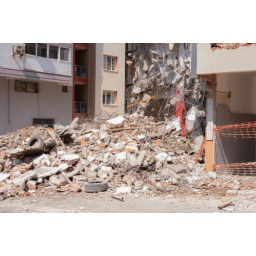
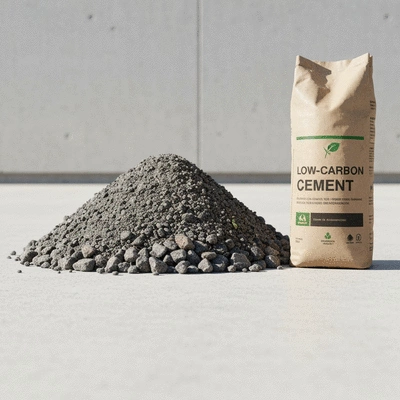
In the ever-evolving landscape of construction, recycled aggregates and low-carbon cement are rapidly becoming essential components of sustainable practices. Recycled aggregates are materials derived from demolition debris, such as crushed concrete and asphalt, which can be reused in new concrete mixes. On the other hand, low-carbon cement is produced using processes that emit significantly less carbon dioxide compared to traditional cement production methods. Together, these materials play a vital role in reducing the environmental footprint of construction projects. To learn more about selecting the right professionals for your projects, check out our guide on choosing a concreter in Albury Wodonga.
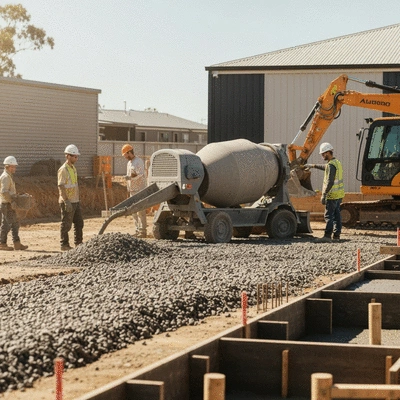
Understanding the composition of these materials helps us appreciate their potential. For instance, recycled aggregates not only conserve natural resources but also help divert waste from landfills. Low-carbon cement utilizes innovative techniques, such as incorporating industrial by-products, to lower its carbon emissions. This shift towards more sustainable materials is crucial, especially in our beautiful region of Albury Wodonga.
Defining Recycled Aggregates and Low-Carbon Cement
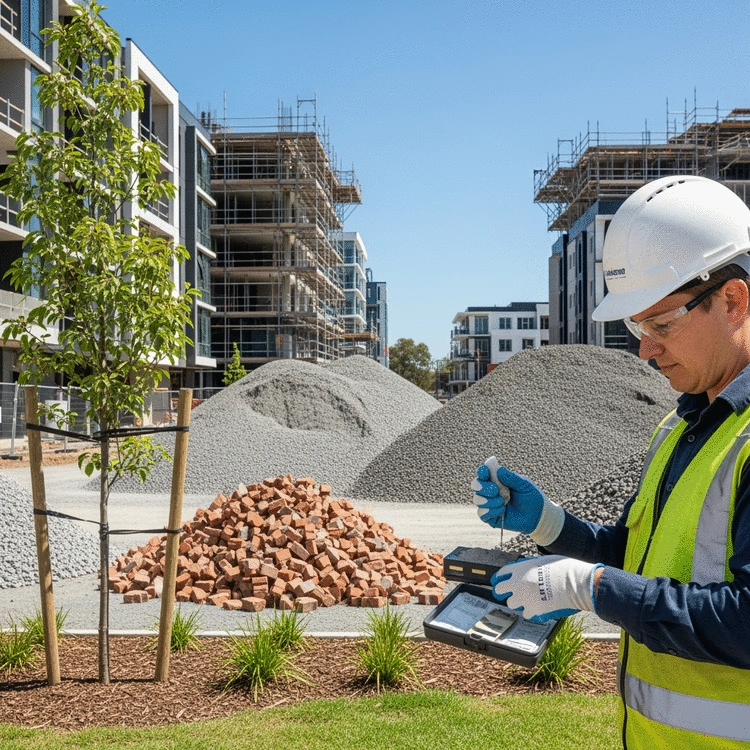
Recycled aggregates are processed materials that can effectively replace virgin aggregates in concrete production. They include various types of crushed materials, such as:
- Crushed concrete from old structures
- Asphalt from roadworks
- Bricks and tiles
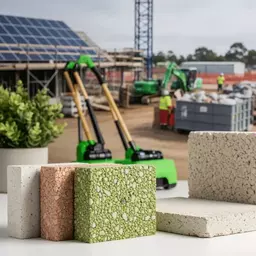
Using these materials reduces the need for new resources and promotes recycling. Meanwhile, low-carbon cement is engineered to minimize carbon emissions during its production. This type of cement can use alternative raw materials like fly ash or slag, which are by-products of other industries. As a result, both recycled aggregates and low-carbon cement not only offer sustainability but also enhance the overall performance of concrete. You can find more practical advice on concrete driveway care in Albury Wodonga, which often involves sustainable material choices.
The Importance of Sustainable Construction in Albury Wodonga
Adopting sustainable practices in construction is not just a trend; it's a necessity for Albury Wodonga. With increasing awareness of environmental issues, the community recognizes the significant environmental impacts of construction projects. Sustainable construction helps mitigate these effects by reducing waste and lowering carbon emissions, ultimately benefiting our local ecosystem.
Moreover, incorporating sustainable practices brings several advantages to our community, such as:
- Improved air and water quality
- Enhanced community resilience to climate change
- Economic benefits through energy savings
It’s exciting to see how our region is embracing these changes. By promoting sustainability in construction, we can all contribute to a healthier environment and a brighter future for Albury Wodonga.
Assessing the Environmental Impact of Sustainable Construction Materials
When we look at the environmental impact of using recycled aggregates and low-carbon cement, the benefits are clear. These materials significantly lower the overall carbon footprint of construction activities. By recycling aggregates, we conserve natural resources and reduce the energy required for quarrying and transporting new materials. This practice not only lessens environmental degradation but also supports the local economy by utilizing materials available within our community.
Low-carbon cement complements this approach by minimizing emissions during production. Some benefits include:
- Less reliance on fossil fuels
- Reduction in greenhouse gas emissions
- Promotion of circular economy principles
In short, the use of these materials in construction is a significant step toward a more sustainable future, aligning perfectly with our mission at Concreters Albury Wodonga Insights to educate and inform our community about sustainable practices. For more detailed information on eco-friendly approaches, consider exploring sustainable concrete practices in Albury Wodonga.
Pro Tip
Did you know? Incorporating recycled aggregates and low-carbon cement into your construction projects can lead to not only environmental benefits but also substantial cost savings. By reusing materials, you can cut down on disposal fees and reduce the need for new materials, which can significantly lower overall project costs.
Summarizing the Benefits of Recycled Aggregates and Low-Carbon Cement
As we wrap up our exploration of recycled aggregates and low-carbon cement, it's essential to recognize their significant benefits for construction in Albury Wodonga. These materials not only enhance the sustainability of our projects but also contribute to considerable economic advantages. By utilizing recycled aggregates, we can reduce waste and conserve natural resources, while low-carbon cement decreases emissions associated with traditional cement production.
Incorporating these materials into your construction projects can lead to:
- Environmental Impact: Lower carbon footprint and reduced landfill waste.
- Economic Savings: Decreased material costs and potential tax incentives for using sustainable options.
- Enhanced Durability: Improved performance characteristics, leading to longer-lasting structures.
Frequently Asked Questions (FAQs)
What are recycled aggregates?
Recycled aggregates are materials derived from demolition debris, such as crushed concrete, asphalt, bricks, and tiles, which are processed and reused in new construction projects.
How does low-carbon cement differ from traditional cement?
Low-carbon cement is produced using processes that emit significantly less carbon dioxide compared to traditional cement. It often incorporates industrial by-products like fly ash or slag to reduce its carbon footprint.
What are the main environmental benefits of using these materials?
The main environmental benefits include a lower carbon footprint, reduced landfill waste, conservation of natural resources, and improved air and water quality.
Can using recycled aggregates and low-carbon cement save money?
Yes, these materials can lead to economic savings through decreased material costs, reduced disposal fees, and potential eligibility for tax incentives related to sustainable construction.
How do sustainable construction practices benefit the Albury Wodonga community?
Sustainable practices contribute to improved air and water quality, enhance community resilience against climate change, and offer economic benefits through energy savings and local resource utilization.
By understanding and implementing these practices, we can collectively move towards a more sustainable future for construction in our region!
Encouraging Sustainable Choices in Albury Wodonga's Construction Industry
I urge all construction professionals and stakeholders in Albury Wodonga to consider the shift towards using recycled aggregates and low-carbon cement. This transition is not just beneficial for the environment but also enhances the community’s well-being and economic stability. Together, we can make informed choices that positively impact our projects and our environment.
If you have questions or need guidance on implementing these sustainable materials, feel free to reach out to me at Concreters Albury Wodonga Insights. I’m here to help you navigate the exciting world of sustainable construction!
Recap of Key Points
- Recycled aggregates help conserve natural resources and reduce landfill waste by reusing materials like crushed concrete and asphalt.
- Low-carbon cement production emits significantly less carbon dioxide, utilizing industrial by-products to lower its environmental impact.
- Sustainable construction practices improve air and water quality while providing economic benefits through energy savings.
- The use of recycled aggregates and low-carbon cement significantly lowers the carbon footprint of construction activities.
- Incorporating these materials leads to enhanced durability and potential economic savings for construction projects.