
Have you considered the profound impact that sustainable practices in concrete construction can have on our environment and communities? As we navigate the complexities of green building certifications, understanding these practices is not just beneficial—it's essential for a healthier future.
What You Will Learn
- Sustainable concrete practices lead to reduced waste and improved energy efficiency.
- Green building certifications, like Green Star, enhance marketability and client satisfaction.
- Understanding cost implications and budgeting for certification is crucial for project success.
- Maintaining certification requires ongoing compliance and the integration of sustainable practices.
- Choosing the right certification (like Green Star vs LEED) can significantly impact your project's success.
Green Building Certification Process & Timelines
Understanding the steps and expected duration for obtaining green building certifications in concrete projects.
Certification Timelines (Weeks)
Project Registration
1-2
Document Prep.
4-6
Assessment Process
8-12
Final Certification
1-4
Cost Considerations
- Certification Fees vary by body and project size.
- Documentation Costs may require professional help.
- Training Expenses for staff on sustainable practices.
- Material Costs for eco-friendly alternatives (higher upfront).
Green Star vs. LEED Certification
Green Star (Australia)
- Tailored to Australian conditions.
- Flexible certification approach.
LEED (Global)
- Recognized globally.
- International market appeal.
Post-Certification Benefits & Compliance
Benefits
- Increased Marketability.
- Potential Tax Incentives.
- Enhanced Reputation.
Compliance
- Regular Audits.
- Continuous Education.
- Engage with Experts.
Understanding Green Building Certification for Concrete Projects in Albury Wodonga
As a concreting expert here in Albury Wodonga, I can't stress enough the significance of sustainable concrete practices in today's construction landscape. Concrete has a profound environmental impact, contributing significantly to carbon emissions. By adopting eco-friendly practices, we not only reduce this impact but also create healthier spaces for our communities. Have you ever considered how much our choices in materials and methods can influence the environment? It's a question that every builder should reflect on!

Implementing sustainable practices in concrete projects brings numerous benefits, such as enhanced durability, reduced waste, and even cost savings over time. Plus, it aligns with a growing demand for green buildings in our region, which can lead to increased marketability and client satisfaction. Let’s dive deeper into why this matters! For more insights into sustainable concrete practices in Albury Wodonga, explore our detailed guide.
The Importance of Sustainable Concrete Practices
Green building certification is more than a trend; it's becoming a necessity. Sustainable practices in concreting not only improve the environmental footprint but also pave the way for innovative construction solutions. Here are some key reasons to embrace these practices:
- Reduction in Waste: Implementing strategies like recycling concrete reduces landfill contributions.
- Energy Efficiency: Sustainable concrete practices often incorporate materials and methods that enhance energy efficiency.
- Improved Indoor Air Quality: Using low-emission materials contributes to a healthier living environment.
- Community Benefits: Sustainable builds can bolster community pride and responsibility.
As we strive for excellence in our projects, remember that adopting these practices not only helps our environment but also sets a standard for future projects in Albury Wodonga.
Overview of Green Building Certifications in Australia
Now, let’s take a closer look at the various green building certifications available in Australia. One of the most recognized is the Green Star rating, developed by the Green Building Council of Australia. This certification demonstrates that a building meets high environmental standards across several categories, such as energy efficiency, water usage, and indoor environmental quality.
Green Star certification is particularly relevant for concrete projects, as it encourages the use of sustainable materials and practices throughout the construction process. By aligning with such certifications, builders in Albury Wodonga can ensure their projects are competitive and environmentally responsible.
Comparing Green Star Rating with LEED Certification
While the Green Star rating is prominent in Australia, many may wonder how it stacks up against the LEED (Leadership in Energy and Environmental Design) certification, which originates from the United States. Both certifications aim to promote sustainable building practices, but they do differ in their criteria and recognition.
- Regional Relevance: Green Star is tailored to Australian conditions, making it more suitable for our local projects.
- Rating Systems: Both systems assess energy efficiency and environmental impact, but their scoring methods differ.
- Market Recognition: LEED is recognized globally, which can be beneficial for projects with international stakeholders.
- Flexibility: Green Star offers a more flexible approach to certification, accommodating various building types and projects.
For those of us working here in Albury Wodonga, choosing the right certification can significantly influence project success. Understanding these distinctions helps in making informed decisions that align with both our environmental goals and market needs. To better understand the financial planning involved, consider reviewing our guide on concrete project budgeting in Albury Wodonga.
Navigating the Certification Process for Concrete Projects
Getting a green building certification may seem daunting, but breaking it down into steps simplifies the process. Whether you're a seasoned builder or embarking on your first project, understanding the certification journey is crucial for success.
Interactive Poll: Your Thoughts on Sustainable Practices
As we explore sustainable concrete practices, we want to know: What do you believe is the most significant benefit of adopting green building certifications?
Cost Implications and Project Timelines for Certification
When diving into the realm of green building certification, it's crucial to understand the financial investment involved. This isn't just about the upfront costs of registration; there are a variety of expenses that come into play. As a concreting expert in Albury Wodonga, I often advise clients to budget for both direct costs—such as certification fees—and indirect costs, which might include additional training for staff or investing in sustainable materials.
Here’s a breakdown of potential costs to consider:
- Certification Fees: These can vary depending on the certification body and the size of your project.
- Documentation Costs: Preparing the necessary documentation can require the help of professionals, adding to your budget.
- Training Expenses: Ensuring your team understands sustainable practices may involve workshops or courses.
- Material Costs: Eco-friendly materials might have a higher upfront cost but can save you money in the long run through efficiency.
Understanding these costs can help you better prepare for the financial commitment of obtaining certification. As you can see, budgeting wisely is a fundamental step in navigating the certification process!
Expected Timelines for Certification Completion
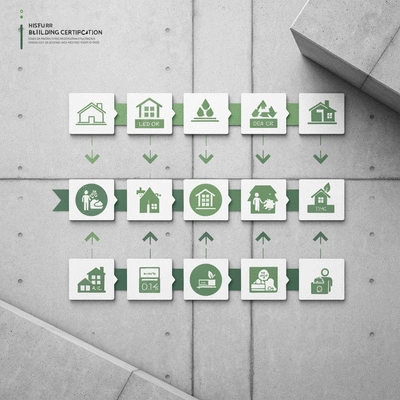
Now that we've covered costs, let’s talk about timelines. Obtaining green building certification can be a time-consuming process, and it’s essential to plan accordingly. From my experience, the journey from project registration to certification can typically take several months, depending on various factors like project complexity and local regulations.
Here’s a rough outline of what to expect:
- Project Registration: 1-2 weeks for initial paperwork and approvals.
- Document Preparation: 4-6 weeks for compiling necessary documentation.
- Assessment Process: 2-3 months for the certification body to review your submission.
- Final Certification: 1-4 weeks to receive your certification after assessment feedback.
These timelines can fluctuate based on how prepared you are, so it's wise to start early and keep a close eye on each phase. Effective project management can help streamline this process!
Post-Certification: Benefits and Ongoing Compliance
Advantages of Green Certification Beyond Construction
Obtaining green certification goes beyond just meeting the necessary standards; it offers a range of long-term benefits for project owners. One of the most notable benefits is energy efficiency, which can lead to substantial cost savings over time. Imagine reducing your utility bills while also enhancing the comfort of your space! That’s a win-win.
Here are some additional advantages of green certification:
- Increased Marketability: Eco-certified buildings tend to attract more buyers and renters.
- Potential Tax Incentives: Some regions offer tax breaks for sustainable practices, which can further offset costs.
- Enhanced Reputation: Showcasing your commitment to sustainability can improve your brand image.
These benefits highlight the importance of viewing certification as an investment rather than just a cost. It’s about building a better future for your projects—and the planet!
Maintaining Compliance and Sustainability Practices
Once you've achieved green certification, the journey doesn’t end there! Maintaining compliance and implementing ongoing sustainability measures is crucial for ensuring your project remains certified. As you continue to engage in future projects, it’s essential to stay informed on the evolving standards and practices.
Here are some strategies to help maintain your certification:
- Regular Audits: Conduct periodic assessments to ensure compliance with sustainability standards.
- Continuous Education: Keep your team updated on the latest eco-friendly practices and products.
- Engage with Experts: Collaborate with sustainability consultants to refine your practices.
By actively engaging in these practices, you not only uphold your certification status but also contribute positively to the environment—a cause I'm passionate about as a concreting expert! For those seeking reliable professionals, consider consulting local certified concreters in Albury Wodonga.
Integrating Energy Efficiency and Indoor Environmental Quality
Finally, let’s discuss the integration of energy efficiency and indoor environmental quality. These elements are integral to maintaining ongoing compliance with your green certification. Projects that prioritize both not only enhance occupant comfort but also improve overall building performance.
To effectively integrate these aspects, consider the following:
- Utilize Efficient Systems: Invest in energy-efficient HVAC and lighting solutions.
- Focus on Indoor Air Quality: Use non-toxic materials and ensure proper ventilation.
- Regular Maintenance: Schedule routine checks on systems to ensure they function optimally.
Incorporating these strategies will help you create a sustainable environment that can significantly enhance the quality and appeal of your concrete projects. Remember, the goal is to create spaces that are not just functional but also health-conscious and eco-friendly!
Recap of Key Points
Here is a quick recap of the important points discussed in the article:
- Sustainable concrete practices reduce environmental impact and enhance community health.
- Green building certifications like the Green Star rating promote eco-friendly materials and methods.
- Understanding the costs and timelines associated with certification is essential for project success.
- Post-certification benefits include increased marketability and potential tax incentives.
- Ongoing compliance and sustainability practices are crucial for maintaining certification status.
Frequently Asked Questions (FAQs)
- What are sustainable concrete practices?
- Sustainable concrete practices involve using eco-friendly materials and methods in construction to reduce environmental impact, such as recycling concrete, improving energy efficiency, and using low-emission materials. These practices contribute to healthier communities and reduced carbon emissions.
- What is Green Star certification?
- Green Star is a green building certification developed by the Green Building Council of Australia. It assesses buildings based on high environmental standards across categories like energy efficiency, water usage, and indoor environmental quality, encouraging sustainable materials and construction processes.
- How does Green Star compare to LEED certification?
- Both Green Star (Australia) and LEED (global) promote sustainable building practices. Green Star is tailored to Australian conditions and offers a flexible certification approach, while LEED is globally recognized and beneficial for projects with international stakeholders. Their rating systems and market recognition differ.
- What are the typical timelines for obtaining green building certification?
- The certification process can take several months. Key stages include Project Registration (1-2 weeks), Document Preparation (4-6 weeks), Assessment Process (8-12 weeks), and Final Certification (1-4 weeks). These timelines can vary based on project complexity and preparation.
- What are the benefits of post-certification compliance?
- Post-certification benefits include increased marketability for eco-certified buildings, potential tax incentives from local regions, and an enhanced reputation for commitment to sustainability. Ongoing compliance ensures these benefits are maintained and contributes to long-term environmental goals.