Have you considered the profound impact your construction choices have on the environment? The shift towards eco-friendly concrete is not just a trend; it's a vital step for a sustainable future. Join us as we explore the transformative benefits of these materials.
What You Will Learn
- Eco-friendly concrete materials significantly reduce carbon emissions, contributing to a healthier environment.
- Utilizing recycled concrete aggregate (RCA) enhances waste management and can lower material costs.
- Innovative materials like ENVIROCRETE® and Futurecrete® improve both performance and sustainability.
- Engaging with local suppliers promotes tailored solutions and supports sustainable practices in construction.
Key Pillars of Eco-Friendly Concrete in Albury Wodonga
The transition to sustainable construction in Albury Wodonga is driven by materials, waste reduction, and innovative technologies, as detailed below. For more insights into how these practices are implemented locally, consider exploring sustainable concrete practices in Albury Wodonga.
♻️ Reduced Carbon Emissions
Eco-friendly concrete significantly lowers greenhouse gas output during production and use.
🗑️ Waste Reduction
Utilizing recycled materials like RCA efficiently minimizes landfill waste and conserves resources.
🧪 Improved Durability
Sustainable materials often enhance the lifespan of concrete, reducing the need for frequent repairs.
🌍 Lower Energy Consumption
Low carbon concrete uses less energy in production, leading to a smaller environmental footprint.
Understanding Eco-Friendly Concrete in Albury Wodonga
In today's construction landscape, choosing eco-friendly concrete materials is more than just a trend; it's a necessity! As someone who has spent over a decade in the concreting industry right here in Albury Wodonga, I’ve seen firsthand the impact sustainable options can have. Not only do these materials help reduce our carbon footprint, but they also promote a healthier environment for future generations.

By opting for sustainable concrete options, we can help mitigate the negative effects of construction on our valuable ecosystems. This choice fosters a stronger community commitment to protecting our beautiful Albury Wodonga region, making it crucial for both builders and homeowners to understand the significance of these materials. For further guidance on selecting the right professionals for your project, consider our advice on choosing a concreter in Albury Wodonga.
Why Choose Eco-Friendly Concrete Materials?
Eco-friendly concrete materials offer a range of environmental benefits. Here are a few key reasons to consider integrating these options into your projects:
- Reduced Carbon Emissions: Eco-friendly options contribute significantly to lower greenhouse gas emissions.
- Waste Reduction: By using recycled materials, we can cut down on waste and promote efficient resource use.
- Improved Durability: Many sustainable materials enhance the longevity of concrete, which means less frequent repairs or replacements.
Making eco-friendly choices not only supports our planet but can also lead to cost savings in the long run. Isn't it rewarding to know that our actions can lead to a positive environmental impact?
The Role of Low Carbon Concrete Products
Low carbon concrete is an innovative solution aimed at minimizing the environmental impact of construction activities. This type of concrete is formulated to use less energy during production, leading to lower carbon emissions.
By incorporating materials like fly ash or slag, we can create durable concrete that contributes to sustainable building practices. Not only does this type of concrete perform well, but it also aligns with our mission at Concreters Albury Wodonga Insights to promote eco-friendly practices in our local projects.
Exploring Recycled Concrete Aggregate
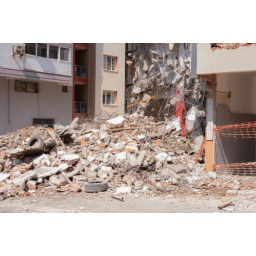
Using recycled concrete aggregate (RCA) is a fantastic way to enhance eco-friendly construction practices. RCA is obtained by crushing old concrete, which helps divert waste from landfills while providing a valuable resource for new projects.
- Cost-Effective: RCA can often reduce material costs while maintaining performance.
- Waste Management: Utilizing RCA helps improve waste management by recycling existing materials.
- Environmental Responsibility: Incorporating RCA reflects a commitment to sustainable construction practices.
As we strive for more sustainable methods in our community, embracing recycled concrete materials is a step in the right direction. Have you considered how you can integrate these practices into your next project?
Exploring Sustainable Concrete Technologies
Innovative Materials and Their Benefits
In the journey towards sustainability, innovative materials like Boral’s ENVIROCRETE®, Adbri’s Futurecrete®, and Holcim’s ECOPact are making significant waves. These products not only excel in performance but also showcase a commitment to environmental responsibility.

Choosing these materials can drastically reduce your project’s carbon footprint while ensuring a high-quality finish. Have you had experiences with any of these products in your projects?
Utilizing Supplementary Cementitious Materials (SCMs)
SCMs, such as coal bottom ash and fly ash, provide excellent opportunities to enhance the sustainability of concrete. By replacing a portion of traditional cement with these industrial by-products, we can improve the strength and durability of concrete, all while reducing the amount of energy required for production.
Understanding Bio-Based Concrete and Alternative Binders
Bio-based concrete options and alternative binders represent an exciting frontier in sustainable building practices. These innovations not only contribute to lower carbon emissions but also support the use of renewable resources, providing a substantial boost to sustainable construction. For those planning a concrete slab, understanding these advancements can be crucial for an eco-friendly approach, as detailed in our concrete slab construction guide.
As we explore these advancements, it’s clear that eco-friendly concrete is not just an option—it’s our future!
Pro Tip
When selecting eco-friendly concrete options, consider mixing different sustainable materials to enhance performance. For instance, combining recycled aggregates with low carbon concrete can optimize both strength and sustainability. This not only reduces your environmental impact but can also lead to cost savings!
Frequently Asked Questions About Eco-Friendly Concrete
What is eco-friendly concrete?
Eco-friendly concrete refers to concrete materials designed to minimize environmental impact. This includes reducing carbon emissions during production, utilizing recycled materials, and enhancing durability to reduce the need for frequent replacements.
How does eco-friendly concrete reduce carbon emissions?
Eco-friendly concrete, particularly low carbon concrete, uses less energy in its production process and often incorporates supplementary cementitious materials (SCMs) like fly ash or slag, which replace a portion of traditional cement. This leads to a significant reduction in greenhouse gas output.
What is recycled concrete aggregate (RCA) and why is it important?
Recycled concrete aggregate (RCA) is produced by crushing old concrete, diverting waste from landfills. It's important because it conserves natural resources, reduces landfill waste, and can be a cost-effective material for new construction projects, contributing to overall waste management and environmental responsibility.
What are some examples of innovative eco-friendly concrete materials?
Examples include Boral’s ENVIROCRETE®, Adbri’s Futurecrete®, and Holcim’s ECOPact. These materials are designed to offer high performance while significantly reducing the carbon footprint of construction projects.
How can I find local suppliers of eco-friendly concrete in Albury Wodonga?
Engaging with local suppliers such as Mini Cretes and Mawsons is recommended. They often provide tailored solutions and support sustainable practices in the region. Contacting them directly can help you find suitable eco-friendly concrete options for your project.
Summarizing Key Takeaways for Buyers
As we wrap up our exploration of eco-friendly concrete materials and suppliers in Albury Wodonga, it’s clear that making informed choices can have a significant impact. By choosing sustainable options, you're not only contributing to the environment but also enhancing the quality of your construction projects. Here are some key takeaways:
- Eco-Friendly Materials: Options like low carbon concrete and recycled aggregates offer effective solutions that reduce your project's environmental footprint.
- Local Suppliers: Engaging with local suppliers such as Mini Cretes and Mawsons can provide you with tailored solutions and support sustainable practices.
- Innovative Technologies: Exploring advanced materials like Boral’s ENVIROCRETE® can enhance both performance and sustainability in your projects.
These points highlight the importance of integrating environmentally responsible practices into your construction planning. Every choice matters when it comes to sustainability!
Next Steps for Sustainable Construction in Albury Wodonga
Ready to take action? I encourage you to reach out to local suppliers and consult for more information on sustainable concrete options. The decisions you make today can lead to a greener tomorrow. Whether you're a seasoned contractor or a DIY enthusiast, knowledge is key!
Exploring Green Building Initiatives and Certifications
One exciting aspect of sustainable construction is the emergence of green building initiatives like LEED certification. These programs promote sustainable practices and provide guidelines that can help you achieve your construction goals. In Albury Wodonga, embracing these initiatives can strengthen your project's environmental credentials and foster a community focused on sustainability. For a comprehensive guide on achieving such certifications, refer to our article on achieving green building certification.
Consider how getting involved in such programs can enhance your project's credibility and align with the values of eco-conscious clients. The future of construction is green, and being part of this movement is crucial!
Recap of Key Points
Here is a quick recap of the important points discussed in the article:
- Eco-Friendly Materials: Choose options like low carbon concrete and recycled aggregates to reduce your project's environmental footprint.
- Local Suppliers: Engage with suppliers such as Mini Cretes and Mawsons for tailored solutions that support sustainable practices.
- Innovative Technologies: Explore advanced materials like Boral’s ENVIROCRETE® to enhance both performance and sustainability in your projects.