
Have you considered the foundational role of concrete slabs in construction? Their significance goes beyond mere aesthetics, affecting the durability and stability of structures. Let's explore the essential insights you need for your next project.
What You Will Learn
- Concrete slabs serve as the foundational base for various structures, ensuring stability and durability.
- Different types of slabs—standard, insulated, raised, and reinforced—cater to specific construction needs and site conditions.
- Key advantages of concrete slabs include cost-effectiveness, quick installation, low maintenance, and energy efficiency.
- Proper site assessment and material selection are crucial steps in the concrete slab construction process to avoid future issues.
- Consulting professionals can enhance project outcomes, particularly for complex site conditions or compliance with regulations.
Concrete Slab Types: Your Foundation Choices
There are various types of concrete slabs, each suited for different needs, site conditions, and budgets. Below is a comparison of their key characteristics to help you choose the right one for your project.
Standard Slab
Description: Most common type, versatile for general use.
Key Feature: Cost-effective, simple application.
Best for: General residential and light commercial applications.
Insulated Slab
Description: Incorporates insulation for better thermal performance.
Key Feature: Enhanced energy efficiency.
Best for: Buildings requiring climate control, cooler regions.
Raised Slab
Description: Elevated above ground level.
Key Feature: Prevents moisture problems, improves drainage.
Best for: Areas prone to flooding or with high water tables.
Reinforced Slab
Description: Contains steel reinforcement bars (rebar).
Key Feature: Added structural strength and durability.
Best for: Heavy-load structures, driveways, industrial applications.
Understanding Concrete Slab Construction in Albury Wodonga
Concrete slabs are foundational elements in many construction projects, providing a solid surface for buildings, driveways, and patios. In Albury Wodonga, understanding concrete slab construction is crucial, as it serves as the backbone for various structures. But what exactly is a concrete slab, and why is it so important? Let’s dive into it!
What is a Concrete Slab and Its Importance?
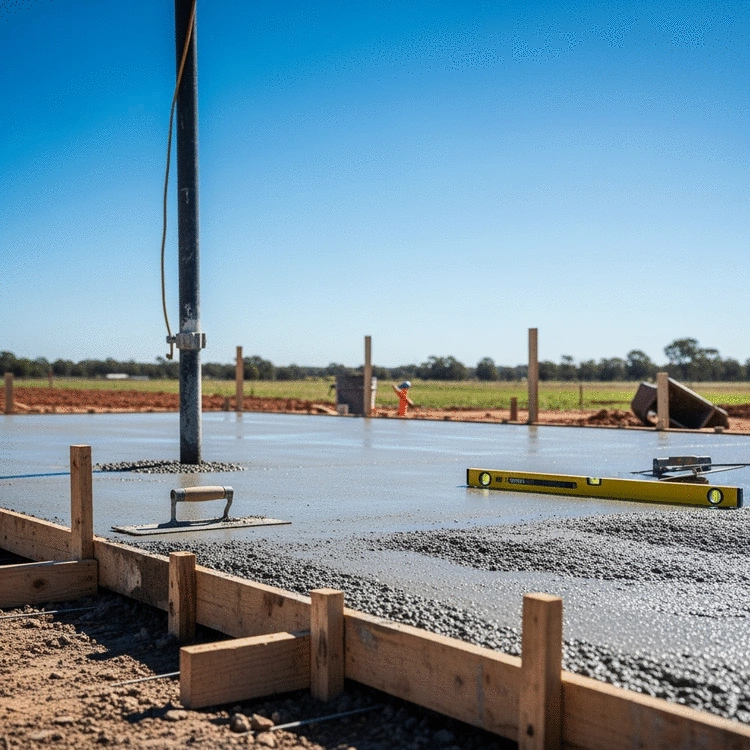
A concrete slab is a flat, horizontal surface made from mixed concrete that is poured and allowed to set. These slabs are typically reinforced with steel, ensuring they can support the weight of structures above them. The importance of concrete slabs lies in their durability and ability to provide a stable base, as detailed in this guide on floor slabs for facilities. Without a proper slab, your construction could face serious stability issues!
- Foundation for diverse structures
- Versatile applications: driveways, floors, and more
- Resistance to weather elements
In Albury Wodonga, our unique climate can put additional stress on structures. A well-constructed slab is vital for withstanding these environmental factors, ensuring longevity and performance.
Key Benefits of Concrete Slabs for Your Property
When considering concrete slabs for your property, it’s essential to understand their many benefits. Here are some key advantages:
- Cost-Effective: Concrete slabs are generally less expensive than other foundation types.
- Quick Installation: They can be poured and set quickly, reducing the time to complete construction.
- Low Maintenance: Once cured, they require very little upkeep compared to other materials.
- Energy Efficient: Concrete has excellent thermal mass properties, which can help regulate indoor temperatures.
These benefits make concrete slabs an attractive option for both residential and commercial projects in our area. I often see homeowners and builders choose them for their long-term value and strength.
Exploring Different Slab Types: Which is Right for You?
Not all concrete slabs are created equal! There are various types of slabs you can choose from, depending on your specific needs:
- Standard Slab: This is the most common type, ideal for general use.
- Insulated Slab: Offers better energy efficiency by incorporating insulation within the slab.
- Raised Slab: Elevated above ground level to prevent moisture problems.
- Reinforced Slab: Contains steel reinforcement bars (rebar) for added structural strength.
Choosing the right slab type depends on factors like site conditions, budget, and intended use. I always recommend consulting with professionals to determine the best option for your project.
Pro Tip
When selecting a concrete mix for your slab, consider the unique climate conditions of Albury Wodonga. Incorporating additives such as retarders or accelerators can help manage the curing process, especially during extreme weather. This ensures your slab achieves optimal strength and durability, tailored to the local environment!
Summarizing the Concrete Slab Construction Process
Understanding the concrete slab construction process is crucial for anyone planning a project in Albury Wodonga. From site preparation to finishing touches, each step plays a vital role in ensuring the durability and longevity of your slab. This aligns with construction specifications for various projects, as highlighted by the Colorado Department of Transportation's construction specifications. Here are some key takeaways to remember:
- Assess your site conditions thoroughly before beginning.
- Choose the right materials, including the appropriate concrete mix and reinforcement types.
- Pay attention to proper curing methods for the best results.
- Don’t skip any steps in the preparation and finishing processes!
By keeping these aspects in mind, you'll set a solid foundation for a successful concrete slab project. Always remember that a well-executed plan can save you time and money in the long run!
The Importance of Professional Guidance When Necessary
While DIY projects can be rewarding, there are times when enlisting professional help is the best choice. Have you considered the complexity of your project? Consulting with experts can provide you with insights that are tailored to the unique conditions in Albury Wodonga. Here are some situations where professional guidance might be necessary:
- When dealing with complicated site conditions that require intricate planning.
- If you’re unsure about mixing concrete or selecting the right materials.
- For ensuring compliance with local building codes and regulations.
In my experience, having a professional’s perspective can not only streamline your project but also enhance its quality. Don’t hesitate to reach out for help when it comes to making informed decisions!
Taking the Next Steps for Your Concrete Slab Project
When to Consider Hiring Local Contractors
As you finalize your plans for a concrete slab, you might find yourself wondering if it’s time to hire a local contractor. If your project involves significant preparation, or if you need specific expertise, it’s worth considering. Here are a few signs that it might be time to call in the pros:
- You lack the tools or materials required for the job.
- Your project timeline is tight, and you need to speed things up.
- You want to ensure safety and compliance with all regulations.
By collaborating with local contractors, you can ensure that your project is handled with the utmost professionalism, leading to a successful outcome!
Contact Information for Local Suppliers and Services in Albury Wodonga
Finding reliable suppliers and services in Albury Wodonga is essential for your concrete slab project. Here are a few reputable sources I recommend:
- Local concrete suppliers for various mix types.
- Hardware stores offering tools and equipment rentals.
- Construction contractors with a strong track record in slab projects.
These connections can help streamline your project and provide you with the materials and expertise needed to get started!
Exploring Community Construction Projects in Albury Wodonga
Have you ever thought about participating in community construction projects? Engaging in local initiatives can be a fantastic way to gain hands-on experience, learn from others, and even contribute to your neighborhood. Here are some ideas to consider:
- Volunteer for community parks and recreation projects.
- Join workshops offered by local trade schools or community colleges.
- Attend local construction expos or home improvement fairs.
Not only will these activities enhance your skills, but they will also help you connect with other construction enthusiasts in the area. So why not take that next step and dive into the vibrant construction community of Albury Wodonga?
Frequently Asked Questions about Concrete Slabs
What is a concrete slab?
A concrete slab is a flat, horizontal surface made from mixed concrete, often reinforced with steel, that serves as a foundational element for various structures like buildings, driveways, and patios. Its importance lies in providing durability and stability.
What are the main benefits of using concrete slabs?
Concrete slabs offer several key benefits, including cost-effectiveness, quick installation, low maintenance requirements, and energy efficiency due to their thermal mass properties.
What are the different types of concrete slabs?
Common types include Standard Slabs (for general use), Insulated Slabs (for better energy efficiency), Raised Slabs (to prevent moisture issues), and Reinforced Slabs (for added structural strength, often using rebar).
When should I consider hiring a professional for my concrete slab project?
It is advisable to hire a professional when dealing with complex site conditions, uncertainty about material mixing or selection, or to ensure compliance with local building codes and regulations. Professionals can streamline the project and enhance its quality, especially for large structures like warehouses that require careful slab design.
How important is site assessment and material selection in concrete slab construction?
Proper site assessment and careful material selection are crucial steps in the concrete slab construction process. They help prevent future issues and ensure the durability and longevity of the slab, especially when considering the unique climate conditions of places like Albury Wodonga.
Recap of Key Points
- Concrete slabs provide a durable and stable foundation for various structures.
- Key benefits include cost-effectiveness, quick installation, low maintenance, and energy efficiency.
- Different types of slabs (standard, insulated, raised, reinforced) cater to specific needs and conditions.
- Proper site assessment and material selection are crucial for successful slab construction.
- Professional guidance is recommended for complex projects, ensuring compliance with local regulations.
- Engaging with local suppliers and community projects can enhance your construction knowledge and network.